
LIGHTHOUSE
A Promethean Horror Film
"The True power to destroy the world lies in the horror we cannot see,
but only predict."

Introduction to the story
In a film set in the 19th century, presented in a square black-and-white format, the director captures the isolation and generational conflicts that make cohabitation uncomfortable. The story unfolds on a remote island, far removed from society, showcasing a clash of egos and stubbornness.

The Story and the World Building
From the very beginning, both the script and the film’s presentation establish a specific tone and atmosphere, highlighted by the choice of a 35mm black-and-white, square aspect ratio. This stylistic decision, emphasized in the screenplay and faithfully executed during filming, immediately sets a noir mood. The opening sequence, marked by the title and sound, introduces a foggy setting that underscores the film’s obscurity and pervasive gray areas. As the narrative progresses, we are introduced to a ship transporting two characters to a remote island. This transition immerses us in the eerie environment of the lighthouse, which remains unseen but felt through the meticulous sound design. The gradually intensifying horn of the lighthouse builds suspense and signals our approach, evoking a sense of foreboding. This unseen horror resonates with the Promethean terror seen in films like "Oppenheimer," reflecting a deeper, philosophical dread that unfolds throughout the story.
The film, directed by Robert Eggers, centers on two lighthouse keepers: Ephraim Winslow (played by Robert Pattinson) and Thomas Wake (portrayed by Willem Dafoe). They are stationed at a remote lighthouse for a four-week stint. Ephraim, a newcomer to both the job and the isolation of the lighthouse, contrasts sharply with the experienced and grizzled Thomas, who has a history of ruthlessness—evidenced by the suicide of his previous assistant due to Thomas's harshness.
As the weeks progress, Ephraim begins to unravel, indulging in alcohol and contentious arguments with Thomas. Tensions escalate when Ephraim's hidden past comes to light: he is not actually Ephraim Winslow but has assumed the identity of a deceased friend to secure the position. Despite developing a camaraderie with Thomas, their professional relationship deteriorates. Thomas considers Ephraim unprofessional and lazy, leading to fierce clashes their discord mirrors the island's stormy weather, which traps them there beyond their intended stay. Thomas attributes the relentless bad weather to Ephraim's killing of a seagull, which he believes has cursed them. They also argue about the lighthouse’s beacon, which Thomas guards jealously, treating it as a sacred and personal possession he refuses to share. The conflict culminates in a brutal fight, after which Ephraim, driven by a frenzied obsession with the lighthouse’s light, climbs to the top. The intense, almost hallucinatory experience of the beacon’s blinding light leads to his dramatic fall from the lighthouse, resulting in his death. The film captures the Promethean horror of forbidden knowledge and the destructive consequences of unchecked ambition and isolation.
The Characters

EPHRAIM WINSLOW
The character of Ephraim Winslow strongly mirrors the Greek god Prometheus, a parallel later confirmed by director Robert Eggers. Much like Prometheus, who defied the higher power of Zeus with his intellect and presence, Ephraim exhibits similar traits. Robert Pattinson's portrayal of Ephraim is exceptional, capturing the essence of this mythic figure. Initially, Ephraim appears as a reserved and diligent worker, distinct from his more abrasive boss, but this surface demeanor hides a deeper, more rebellious nature.
Despite living with his boss in the isolated lighthouse, Ephraim Winslow is portrayed as a profoundly lonely man. His dreams reflect this isolation, particularly his visions of a mermaid—initially a mystical creature but later becoming an object of intense desire. Ephraim’s lustful fixation on the mermaid is symbolized by a mermaid toy found in his bed, which is eventually revealed to have been placed there by his boss, Thomas Wake. This growing sense of lust underscores Ephraim’s struggle with stress and sexual frustration, serving as a form of escape from the pressures of his daily life.
Like Prometheus, Ephraim Winslow challenges established traditions, particularly his skepticism toward myths such as the "bad luck" supposedly brought by the death of a seagull. I find myself siding with Winslow, as I believe Thomas Wake manipulates Ephraim’s work frustrations by providing only partial instructions and frequently assigning repetitive tasks, such as mopping the floor. Wake's attempts to assert dominance are evident when he threatens Ephraim with a feedback book that could ruin his career permanently. Additionally, Wake’s assertion of control is starkly illustrated when he insists that Ephraim must be prepared to destroy and rebuild the lighthouse from the smallest detail if ordered to do so, further emphasizing his power over Ephraim.
What surprised me was discovering that his real name is Thomas Howard, not Ephraim Winslow. Beyond the background story, I see this name change as a metaphor. The shared name "Thomas" symbolizes how both space and time, along with his environment, transform him into a "Thomas" rather than defining him by his true identity. It suggests that we are often shaped more by our surroundings and the company we keep than by who we originally are.
THOMAS WAKE
The character Thomas Wake in Robert Eggers' film strongly parallels the Greek god Triton, a comparison later confirmed by the director. Much like Triton, who is associated with water and depicted with a beard, Thomas Wake embodies similar traits. Unlike Prometheus, who represents fire and knowledge, Wake’s connection to the ocean and its lore aligns more with Triton’s domain. Wake is portrayed as a stubborn and egotistical old man, obsessed with controlling the island and guarding the lighthouse’s light as if it were his own cherished possession. His addiction to the lighthouse’s light and refusal to share it with his colleague highlight his possessiveness and isolation.
In contrast to Ephraim Thomas, Thomas Wake is adept at maintaining a clear distinction between personal and professional boundaries. Robert Eggers wrote Wake with an old-fashioned touch, incorporating archaic language such as "aye" instead of "yes." This generational divide in their speech, thoughts, and way of life contributes to the tension and chaos in the film’s claustrophobic setting.
Thomas Wake's belief in divine tales convinces him that his actions are justified, making him sensitive and vulnerable. For instance, when Ephraim refuses to eat the food Wake has prepared, Wake swears to curse Prometheus, highlighting his intense reaction. This moment marks a significant turning point, as it signifies the beginning of escalating tensions between them. The deterioration of their situation seems to start from this incident rather than from when Ephraim killed the bird. This pivotal event underscores the mounting discord and foreshadows the worsening of their relationship and circumstances.
It was Thomas Wake's ego and arrogance that ultimately led to his demise at the hands of his own assistant, due to his duplicitous nature. Willem Dafoe’s portrayal of the character was truly mesmerizing, capturing the complexity and intensity of Wake’s personality.

Based on the true Story
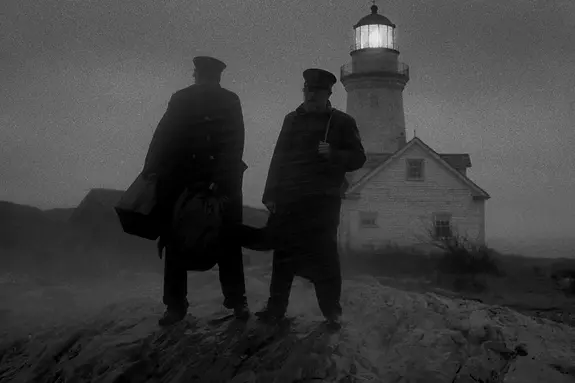
The Lighthouse is loosely inspired by the true story of the Smalls Lighthouse, situated off the coast of Wales. In 1801, a tragic event occurred when lighthouse keepers, isolated on a remote rock, endured severe hardships and eventually succumbed to extreme conditions. This historical backdrop of isolation, madness, and the harsh realities faced by lighthouse keepers informed the film’s setting and themes.
Robert Eggers infused the film with maritime folklore and superstitions, notably the belief that harming or killing a seagull brings bad luck. Sailors have long thought that seagulls carry the souls of deceased sailors, and this superstition enriches the film’s atmosphere and themes of guilt and retribution.
The film’s mood and themes are also influenced by Romantic and Gothic literature, exploring isolation, madness, and the sublime. The psychological and existential struggles of the characters echo the works of writers like Edgar Allan Poe and Herman Melville.
Eggers has noted that the script and setting of The Lighthouse were developed through a mix of historical research and creative imagination. The film’s claustrophobic atmosphere and the characters' descent into madness reflect Eggers’ fascination with the psychological effects of extreme isolation and the blurred lines between reality and hallucination.
Additionally, the character of Thomas Wake (played by Willem Dafoe) is linked to the Greek god Triton, a sea deity with a trident. This connection underscores the film’s themes of the sea and the supernatural, enhancing its exploration of mythology and the interplay between reality and the mythical.
Overall, The Lighthouse draws on a blend of historical incidents, maritime superstitions, and mythological themes to create a distinctive narrative that delves into the psychological and existential challenges faced by its characters in an isolated environment.
Anatomy of Fall

Triton and Prometheus
I think this was the amazing shot using One motivated lighting.

Duality
This is the perfect example of showing duality of a character by lighting

Ending of the Film

The ending of The Lighthouse (2019) is both enigmatic and chilling, providing a powerful conclusion to its exploration of isolation, madness, and forbidden knowledge.
In the climax, Ephraim Winslow (Robert Pattinson) and Thomas Wake (Willem Dafoe) are engulfed in a violent confrontation. Ephraim, driven mad by the oppressive isolation and the lighthouse’s intense light, finally overcomes Wake. The tension between them erupts into a brutal fight that ends with Wake’s death.Revelation in the Lighthouse, Ephraim ascends to the lighthouse’s lantern room, where he confronts the blinding light. The light, which has been a symbol of forbidden knowledge and divine power throughout the film, overwhelms Ephraim. His experience here is both metaphysical and hallucinatory, symbolizing his ultimate encounter with the destructive force of seeking forbidden truths.
Surreal and Grotesque ImageryThe film concludes with a disturbing and surreal sequence. Ephraim is shown lying on the rocks, surrounded by seagulls. These birds, which are associated with maritime superstition, begin pecking at his exposed flesh and consuming his intestines. This grotesque act represents the ultimate retribution for his transgressions, aligning with the superstition that harming seagulls brings bad luck and that they carry the souls of the dead. Ambiguous Resolution Blurring Realities: The final scenes blur the lines between reality and hallucination. Ephraim’s fate is left ambiguous, as the film merges nightmarish imagery with his final moments. The overwhelming light and the grotesque imagery underscore the psychological and supernatural dimensions of his downfall.
Thematic Reflection
Promethean Horror
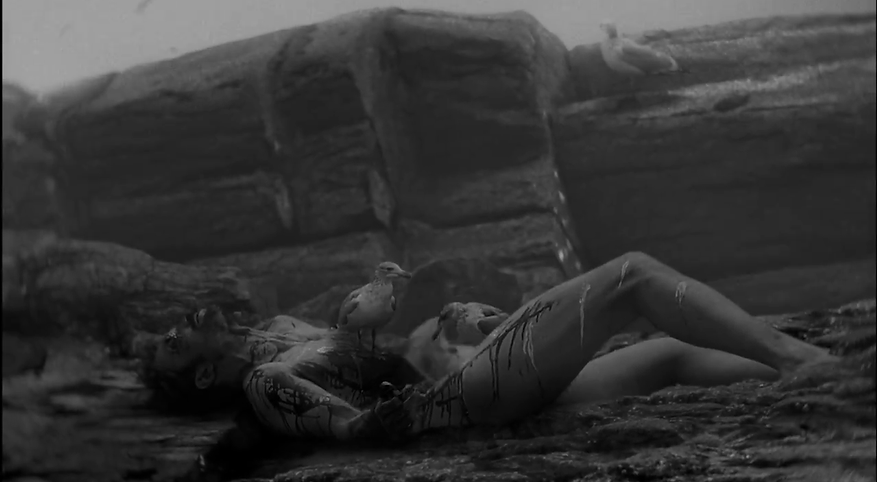
The final shot of the lighthouse underscores the film's focus on Promethean horror. This concluding image emphasizes the thematic exploration of overreaching ambition and the terrifying consequences of seeking forbidden knowledge, aligning with the myth of Prometheus. The lighthouse, with its intense and unrelenting light, symbolizes the destructive pursuit of enlightenment and the ultimate price paid for transgressing natural boundaries.
Compounding this theme, the scene where the seagull consumes Winslow’s intestines adds a visceral layer of retribution. In maritime lore, seagulls are believed to carry the souls of the dead, and their consumption of Winslow's remains visually represents the relentless and inescapable consequences of his actions. This grotesque act not only signifies the brutal punishment for his hubris but also reinforces the film’s exploration of how the quest for forbidden knowledge and the violation of natural boundaries lead to ultimate downfall and supernatural vengeance.
Promethean punishment
Metaphor


the seagull serves as a significant metaphor tied to themes of guilt, superstition, and fate. In maritime folklore, seagulls are often seen as the souls of dead sailors, and harming or killing one is believed to bring bad luck or curse the perpetrator. The killing of the seagull by Ephraim Winslow (Robert Pattinson) represents his transgression against the unwritten rules of the island and the supernatural forces that seem to govern it. This act foreshadows the escalating consequences and the unraveling of his sanity.
Metaphor


The mermaid and the sexual encounter with her carry deep metaphorical significance, reflecting the film's themes of temptation, madness, and the struggle between the primal and the civilized.
Mermaid Metaphor Temptation and Forbidden Desires: The mermaid symbolizes an alluring, forbidden temptation. Her appearance represents Ephraim Winslow’s (Robert Pattinson) inner desires and the seductive nature of escaping his harsh reality. The mermaid’s mystical and erotic nature underscores the danger of succumbing to primal urges and desires.
Madness and Corruption: The mermaid also embodies madness and corruption. Her unsettling, otherworldly presence mirrors Ephraim’s psychological deterioration and the disintegration of his sanity. The mermaid’s role as a creature from folklore amplifies the sense of supernatural forces contributing to his unraveling.
Existential and Supernatural Forces: As a mythological being, the mermaid connects to maritime lore and the supernatural. She represents the dark, inscrutable forces of nature and fate that influence the characters’ lives, reinforcing the film’s themes of existential dread and inescapable doom.
Sex with the Mermaid Metaphor:
Violation and Transgression: The sexual encounter signifies a profound violation of moral and personal boundaries. It represents Ephraim’s complete surrender to his most primal desires, breaking societal norms and plunging into an abyss of depravity. This act highlights the consequences of giving in to forbidden temptations.
Loss of Innocence and Descent into Madness: Engaging with the mermaid symbolizes Ephraim’s fall from innocence and rationality. It marks a pivotal moment where he crosses into madness, illustrating how indulgence in base desires can lead to moral and psychological degradation.
Self-Destruction and Corruption: The grotesque and surreal nature of the sexual encounter reflects Ephraim’s internal corruption and impending self-destruction. The disturbing imagery and the act’s symbolic weight underscore the destructive impact of obsession and guilt on his psyche.
In essence, the mermaid and the sexual encounter with her in The Lighthouse serve as powerful metaphors for the seductive dangers of forbidden desires, the psychological toll of transgression, and the descent into madness. They illustrate the film’s exploration of the boundaries between sanity and insanity, and the destructive consequences of succumbing to one's darkest impulses.
Metaphor


the light of the lighthouse is a multifaceted symbol, carrying deep metaphorical significance that enhances the film’s exploration of themes such as isolation, obsession, and the search for meaning.
Metaphor of the Light
Obsession and Power: The lighthouse’s light represents Thomas Wake’s (Willem Dafoe) obsession and his quest for control. Wake’s intense desire to guard and possess the light symbolizes his need for power and dominance. The light becomes an object of profound significance and a source of his identity and authority.
Divine or Supernatural Knowledge: The light can be seen as a symbol of divine or supernatural knowledge. It embodies forbidden or hidden truths that are beyond human comprehension. Ephraim Winslow (Robert Pattinson) becomes increasingly fascinated and tormented by the light, reflecting his desire to uncover its secrets and the madness that ensues from such forbidden knowledge.
Isolation and Madness: The light also symbolizes isolation and the psychological impact of being cut off from the outside world. Its constant presence on the remote island represents both a beacon and a prison. The characters' proximity to the light becomes a source of their psychological torment and exacerbates their descent into madness.
Search for Meaning: The light represents the human quest for meaning and enlightenment. For Ephraim, it becomes a symbol of ultimate truth and a source of existential dread. His fixation on the light reflects his struggle to find purpose and understanding in an environment that ultimately drives him to despair.
Punishment and Retribution: In a more ominous sense, the light can be interpreted as a force of punishment or retribution. Its intense, almost blinding nature serves as a metaphor for the harsh consequences of violating boundaries or moral codes, leading to the characters' eventual downfall.
The Director
.jpeg)
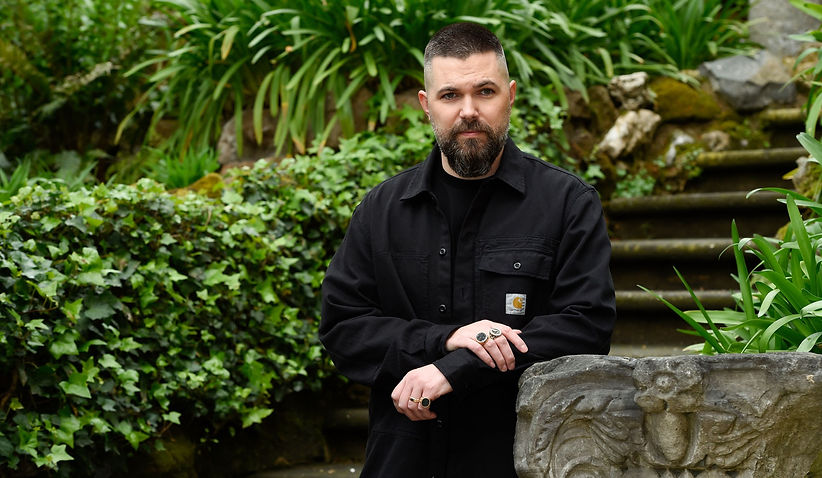
Robert Eggers has emerged as a notable director with a unique approach to storytelling, blending historical detail with psychological and supernatural elements. The Lighthouse exemplifies his commitment to creating immersive, thought-provoking cinema, exploring the intersections of myth, madness, and human nature.
Eggers began his career in theater, working as a designer and director for various productions. His transition to filmmaking came with his feature debut, The Witch (2015), a critically acclaimed horror film set in 1630s New England. The film was praised for its historical authenticity, meticulous attention to period details, and its psychological depth. The Witch established Eggers as a distinctive voice in contemporary horror cinema.